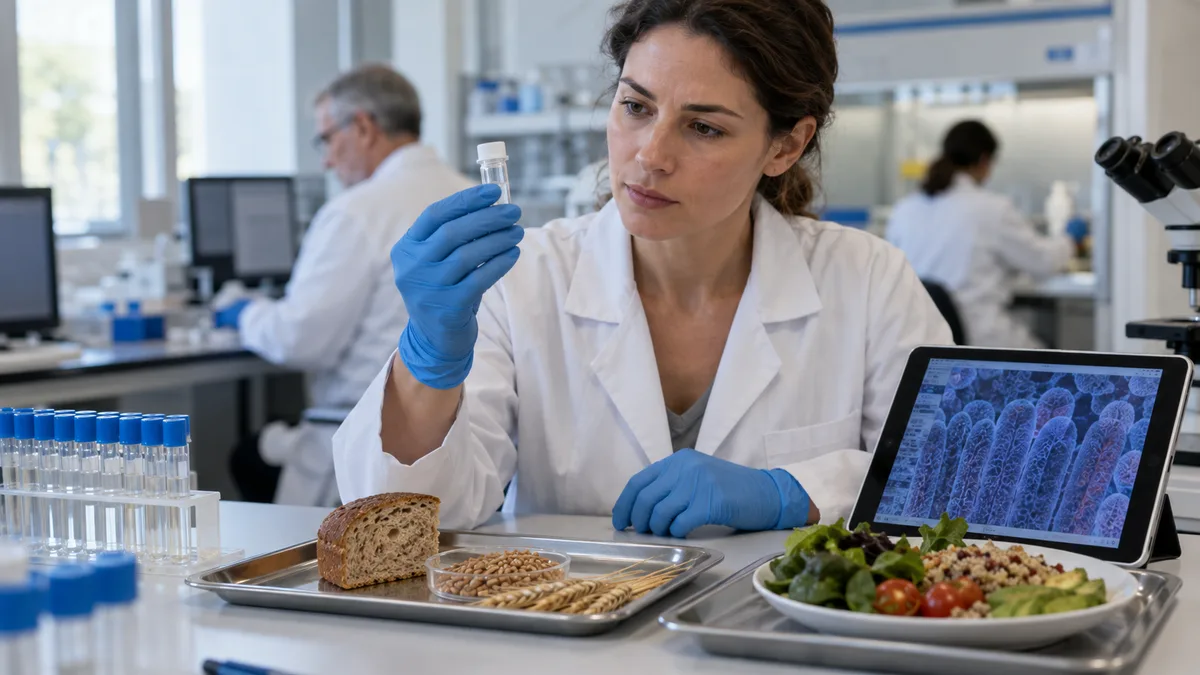
Hopeful results from the drug developed for celiac disease
An experimental drug developed for celiac disease reduced gluten-induced intestinal damage compared to placebo in a small-scale clinical trial. Although the results are promising, the drug is not yet approved and does not replace a gluten-free diet.
An experimental drug for celiac disease has been shown to reduce gluten-induced intestinal damage compared to placebo in a small-scale clinical trial. While the results are promising, the drug is not yet approved and currently does not claim to replace a gluten-free diet.
Pharmaceutical company Teva Pharmaceutical Industries announced initial results from the Phase 2a study of its experimental treatment, TEV ’408, on September 2, 2026. The drug is a monoclonal antibody developed to block interleukin-15, a signaling molecule involved in the immune response in celiac disease. Teva’s study announcement
How was the study conducted?
The randomized, placebo-controlled study included 50 adult celiac patients adhering to a gluten-free diet. Participants received a single dose of TEV ’408 or placebo. Two weeks later, a six-week daily gluten challenge was initiated under medical supervision.
Intestinal biopsies taken at week eight showed that intestinal damage was more limited in the TEV ’408 group compared to the placebo group. A measurement of intestinal inflammation also showed more positive results in the treatment group. Participants reported fewer gastrointestinal symptoms, and the company stated that no new safety concerns were observed at this stage.
Will the gluten-free diet end?
No, at least not yet. TEV ’408 is still in the research phase and is not approved for the treatment of celiac disease. The study also does not indicate that patients can freely consume gluten.
The potential purpose of the treatment may be to help protect the intestines against inadvertent gluten exposure in daily life. Therefore, celiac patients must continue their gluten-free diet at the current stage and take the same precautions against cross-contamination risks in restaurants.
Why should the results be evaluated cautiously?
The disclosed data are based on a short-term Phase 2a study involving only 50 people. The findings have not yet been published in a peer-reviewed scientific article. The shared results are the initial assessments of the company developing the drug, and detailed analyses are ongoing.
The long-term safety, duration of protection, need for repeated doses, and effect on larger patient groups of the treatment are not yet known. The Celiac Disease Foundation also views the results as a positive development, while emphasizing that the drug is in the research phase and requires larger studies. Celiac Disease Foundation assessment
Initial findings suggest that an additional protective option for celiac disease, beyond a gluten-free diet, may be possible. However, whether this will transform into a safe and effective treatment will be determined by larger and longer-term clinical studies.
Last reviewed: September 7, 2026