🌿 Anatolia’s Vegetarian Roots: Five Regions to Discover in Istanbul
Olive-oil vegetables, lentil köfte and greens cooked with rice reveal a side of Anatolian cooking that visitors can easily miss
Anatolia has a long history of meals centred on plants. Research at Neolithic Çatalhöyük shows a diet heavily dependent on plant foods, alongside meat and other animal products. This is evidence of ancient plant-based food traditions, rather than a vegetarian society or proof that today’s recipes have survived unchanged. Cambridge Core
Geography helps explain the legacy. Grain-based cooking in the interior, olive oil along the Aegean and Mediterranean, and local greens across different landscapes. Together, these traditions help explain why vegetables and pulses can form a complete meal in Anatolian cooking. ekitap.ktb.gov.tr
🫒 Aegean: Olive oil, garden vegetables and edible greens
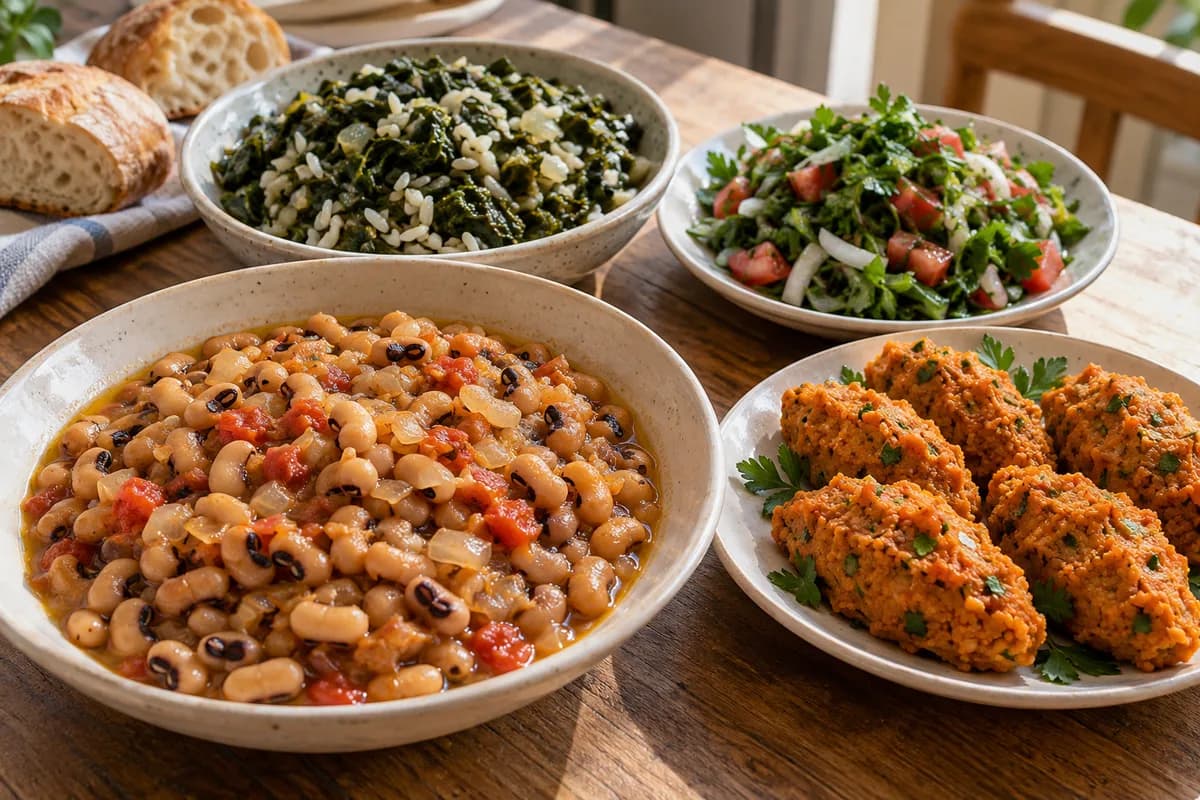
The Aegean’s vegetarian repertoire includes zeytinyağlı börülce, fresh or dried black-eyed beans cooked with olive oil, and kabak çiçeği dolması, courgette flowers filled with seasoned rice. Aydın’s documented recipes use plant ingredients for both. They show how beans, vegetables and rice become substantial dishes in their own right. aydin.ktb.gov.tr
🌿 Mediterranean: Herbs, pulses and sharp flavours
Hatay’s cooking brings together vegetables, grains, pulses and olive oil, reflecting the region’s overlapping food cultures. Zahter salatası combines fresh thyme-like herbs with parsley, onion, pomegranate molasses and olive oil. Mercimekli köfte, documented in neighbouring Osmaniye, turns lentils and bulgur into shaped savoury bites. gezsenhatay.ktb.gov.tr
🥬 Black Sea: Vegetables with rice
Karalahana diblesi combines collard greens, onion and rice; fasulye diblesi uses green beans. Ordu’s recorded collard version contains vegetable oil and no animal ingredients. These dishes illustrate a regional tradition of making a meal from greens and grains. Recipes elsewhere may include butter, so check when ordering. kulturportali.gov.tr
🌾 Central Anatolia: Grains and lentils
Erişteli yeşil mercimek, green lentils with short noodles, reflects the interior’s grain-and-pulse cooking. Ankara’s recorded recipe includes butter, making it vegetarian rather than vegan. Batırık, documented in Karaman, combines fine bulgur with vegetables and tahini or walnuts. Vegan diners should also check whether noodles contain egg. kulturportali.gov.tr
🌶️ Southeastern Anatolia: Lentils, bulgur and herbs
Gaziantep’s malhıtalı köfte uses red lentils, fine bulgur, pepper and tomato pastes, olive oil and herbs, including tarragon. Its registered recipe contains no animal ingredients. Kilis also records mercimekli köfte among its traditional dishes, showing the place of meat-free cooking within a region often associated with kebabs. Kültür Portalı
📍 What this means for your Istanbul visit
Look for ev yemekleri, meaning home-style cooking, and zeytinyağlılar, dishes prepared in the olive-oil tradition. These are useful starting points for discovering this heritage. Vegetarian dishes may contain dairy or eggs; meat or chicken stock makes a dish unsuitable for vegetarians too. Ask about the actual preparation, as VeganIstanbul’s traditional food guide explains.
📌 Save these dish names before your Istanbul trip. They offer five regional starting points for exploring Anatolia’s vegetarian table.