Is It Really Vegan? Hidden Ingredients in Turkish Food
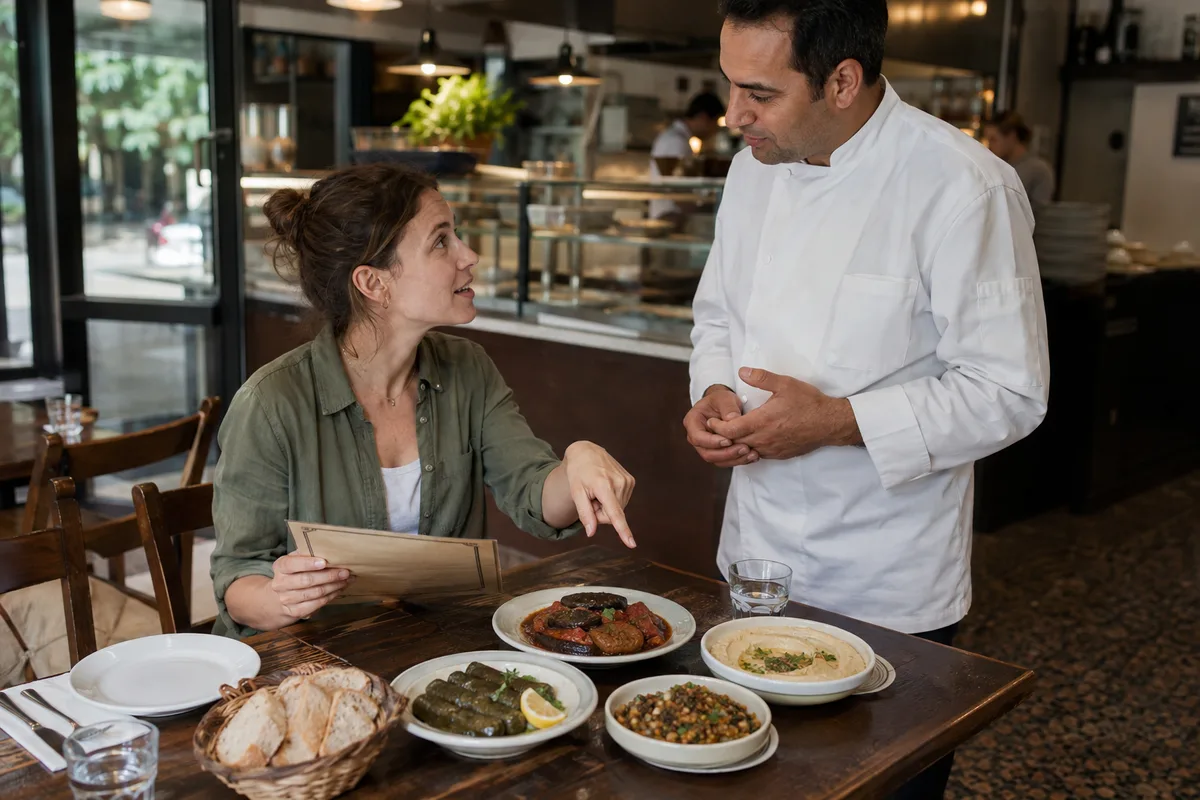
Istanbul offers plenty of good vegan food, but a vegetable-led dish is not necessarily vegan. But here is your guide when selecting vegan ingredients at Istanbul restaurants with the help of VeganIstanbul.com editors.
Istanbul offers plenty of good vegan food, but a vegetable-led dish is not necessarily vegan. Sebzeli means “with vegetables,” while etsiz may be understood simply as “without visible meat.” The ingredient that changes the answer is often in the pot, sauce or topping—not on the plate. Here are the mistakes visitors most often make. 🌱
1. Do Not Stop at “Vegan mı?” 🗣️
The word vegan is familiar in many Istanbul restaurants, but it is not always interpreted precisely. A quick “yes” may only mean that no meat can be seen. Name the ingredients instead, and ask before ordering:
“Hiçbir hayvansal ürün yemiyorum. İçinde et, tavuk, balık, süt ürünü, yumurta veya bal var mı?” I do not eat any animal products. Does this contain meat, chicken, fish, dairy, egg or honey?
Then ask separately:
“Et suyu, tavuk suyu veya bulyon kullanıldı mı?” Was meat stock, chicken stock or bouillon used?
2. Check the Fat and the Stock 🍚
Rice, bulgur, soup, legumes and warm vegetable dishes may be cooked with vegetable oil, butter, clarified butter or a mixture. Recipes vary from one kitchen to another. Sadeyağ is clarified butter, not vegetable oil. Stock or meat-based bouillon may also be used even when no meat is visible; an official recipe for mercimek çorbası, for example, allows meat stock and uses butter.
Many dishes displayed in a lokanta are cooked in batches. Asking for the butter to be left out when the dish is served is too late. Ask what was used, then choose another dish if necessary:
“Bu yemek hangi yağla yapıldı? Tereyağı veya sadeyağ var mı?” Which fat was used? Does it contain butter or clarified butter?
3. “Zeytinyağlı” Is a Clue, Not a Vegan Label 🫒
Cold dishes sold as zeytinyağlı are usually the best place to start. Still, the word describes a cooking style, not a vegan certification. Dolma and sarma also have meat-filled versions and may arrive with yogurt.
Regional usage is not perfectly consistent: Turkish Culture Ministry’s portal even records a zeytinyağlı patlıcan dolması containing minced meat. Confirm rather than relying only on the name:
“Kıymasız ve yoğurtsuz mu?” Is it without minced meat and yogurt?
4. Soup and Vegetable Fritters Cause Mistakes 🥣
Mercimek çorbası can contain butter or stock. Tarhana çorbası has another problem: the dried tarhana mixture is commonly fermented with yogurt before the soup is made. Traditional recipes vary, and a few regional tarhanas are dairy-free, but standard tarhana should not be assumed vegan. Research descriptions of traditional tarhana also list yogurt as a core ingredient.
Do not assume mücver is vegan it is made with zucchini or herbs but it is normally bound with egg and may contain white cheese. Egg can also appear in other vegetable fritters, while fried eggplant or patlıcan salatası may come mixed with yogurt.
5. A Mixed Meze Plate Is Not a Shortcut 🍽️
Meze is a serving category, not a plant-only category. Haydari and cacık contain yogurt; tarama contains fish roe; and Rus salatası or Amerikan salatası usually contains mayonnaise. Even hummus needs one quick check: plain cold hummus is generally vegan, but hot hummus may be topped with butter and pastırma, beef.
Ask staff to identify each item instead of ordering an unverified mixed plate.
6. Plain Bread Is Simpler Than the Bakery Counter 🥯
Standard plain ekmek is generally made from flour, water, salt and yeast, and simit is often vegan. Bakery pastries are different: poğaça, açma and börek commonly contain milk, yogurt, butter or egg. Pide glazes vary too. A Turkish vocational guide notes that egg yolk, yogurt, molasses or other mixtures may be used on products such as Ramadan pide.
“Hamurunda veya üzerinde yumurta, süt, yoğurt ya da tereyağı var mı?” Is there egg, milk, yogurt or butter in the dough or on top?
7. Know Which Sweets and Drinks Need Checking 🍮
Baklava normally contains butter or sadeyağ, while künefe contains both butter and cheese. Salep is traditionally prepared with milk, and ayran is a yogurt drink. Un helvası and irmik helvası commonly use butter; “helva” alone does not mean vegan.
Traditional plain lokum is generally set with starch and sugar rather than gelatin, as food-science literature on Turkish delight describes. The larger risk is assuming every variety has the same recipe. Check kaymaklı, milk-flavored, chocolate-coated and packaged products for dairy or other added ingredients.
The Rule to Remember ✅
Do not judge a dish by its main vegetable or by the absence of visible meat. In a lokanta, ask about the cooking fat and stock before the plate is filled. At a bakery or meze counter, ask about the dough, glaze, sauce and topping. One precise question is more useful than “Is it meatless?”
📌 Save this guide for your Istanbul trip and share it with a vegan or vegetarian travel companion.
Last reviewed: August 20, 2026