Zeytinyağlı: Istanbul’s Olive Oil Treasures Every Vegan Should Discover 🌿🫒
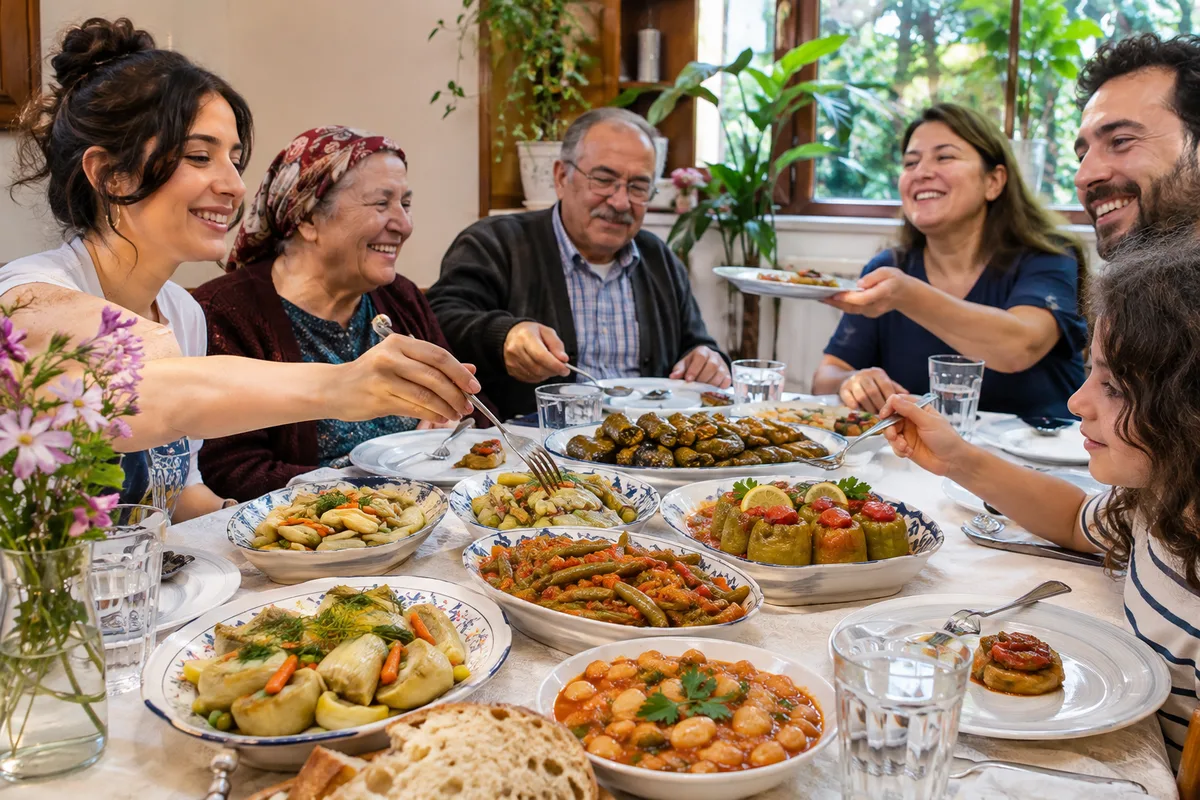
Zeytinyağlı** (pronounced *zey-teen-yah-luh*) is one of the most useful Turkish words a vegan traveler can learn. It literally means “with olive oil,” but in Turkish cuisine, it refers to an entire family of vegetable dishes traditionally cooked with olive oil, often served at room temperature
Forget the idea that vegetables are merely side dishes. In Istanbul, a plate of tender artichokes, green beans simmered with tomatoes or eggplant stuffed with onions and herbs can be a meal worth remembering.
These dishes are part of everyday Turkish cooking, found in traditional restaurants, neighborhood eateries and home kitchens. Many are naturally vegan, although ingredients and preparation methods should always be checked.
And here's the best part: You don't need to visit a vegan restaurant to discover them.
🫒 What Makes Zeytinyağlı Special?
Unlike vegetables fried quickly in oil, traditional zeytinyağlı dishes are often cooked slowly, allowing the ingredients to develop their flavors.
Olive oil is more than a cooking medium. It contributes to the texture, carries the aromas of herbs and spices, and helps bring together the vegetables' natural sweetness.
Many recipes contain just a handful of ingredients: seasonal vegetables, onions, tomatoes, olive oil, lemon juice, herbs and sometimes a little sugar.
Another distinctive feature is how they are served. While some are enjoyed warm, many taste particularly good at room temperature or slightly chilled.
In Istanbul, you will frequently encounter them in esnaf lokantası, traditional neighbourhood restaurants serving ready-made Turkish dishes. Look for the glass display counter filled with trays of freshly prepared food.
🌱 10 Olive Oil Treasures Worth Discovering
1. Zeytinyağlı Enginar | Artichokes With Olive Oil
One of the most recognisable dishes of the Turkish spring.
Artichoke hearts are gently cooked with olive oil, lemon juice, carrots, potatoes and peas. Fresh dill often completes the dish.
The result is tender, slightly tangy and surprisingly delicate.
When to try: Spring and early summer, when fresh artichokes are in season.
Vegan tip: Traditionally vegan, but confirm that no butter or meat stock has been added.
2. İmam Bayıldı | The Eggplant That Made an Imam Faint 🍆
This dish comes with one of Turkish cuisine's most entertaining legends.
According to a popular story, an imam fainted after tasting an exceptionally delicious eggplant dish. Another version suggests he fainted after discovering how much expensive olive oil his wife had used.
Whatever the legend's origins, the dish deserves attention.
Whole or halved eggplants are filled with slowly cooked onions, tomatoes, garlic and herbs, then prepared with generous amounts of olive oil.
What makes it special: The combination of silky eggplant, sweet onions and aromatic olive oil.
Vegan tip: Traditional imam bayıldı is vegan. Don't confuse it with karnıyarık, a similar-looking eggplant dish usually stuffed with minced meat.
3. Zeytinyağlı Taze Fasulye | Green Beans in Tomato and Olive Oil
A familiar dish in Turkish homes, particularly during summer.
Fresh green beans are slowly simmered with tomatoes, onions and olive oil until tender.
Unlike crisp green beans served in some European cuisines, Turkish-style beans are generally cooked until soft, allowing them to absorb the flavours of the sauce.
What makes it special: Simple ingredients transformed through slow cooking.
Where to look: Traditional lokanta and restaurants serving home-style Turkish food.
4. Zeytinyağlı Yaprak Sarma | Stuffed Vine Leaves 🍃
Small, tightly rolled vine leaves filled with rice, onions, herbs and spices.
Depending on the recipe, the filling may include pine nuts, currants, mint, dill, parsley, cinnamon or allspice.
They are usually served cool or at room temperature, sometimes with lemon wedges.
What makes them special: The contrast between slightly tangy vine leaves and fragrant rice.
Vegan tip: Ask specifically for zeytinyağlı yaprak sarma. Some varieties contain minced meat, while others may be prepared with meat stock.
5. Zeytinyağlı Pırasa | Leeks With Olive Oil
Don't underestimate the humble leek.
In this winter favourite, leeks are slowly cooked with carrots, olive oil and often a small amount of rice. Lemon juice adds freshness.
The leeks become tender and subtly sweet, creating a dish quite different from the strong onion flavour some visitors associate with them.
When to try: Autumn and winter.
What makes it special: A delicate balance of sweetness, acidity and olive oil.
6. Zeytinyağlı Barbunya | Borlotti Beans in Olive Oil 🫘
If you want something more substantial, look for barbunya.
Borlotti beans, sometimes called cranberry beans, are cooked with tomatoes, onions, carrots, potatoes and olive oil.
They are commonly served at room temperature with parsley and lemon.
The beans provide plant protein and fiber, making this a useful choice for vegan travelers looking beyond vegetable-based dishes.
What makes it special: A satisfying combination of creamy beans and a rich vegetable sauce.
7. Zeytinyağlı Kereviz | Celeriac With Olive Oil
Celeriac may not be everyone's favoufrite vegetable, but the Turkish preparation can change that.
Peeled celeriac is cooked with olive oil, carrots, potatoes and lemon juice. Some versions include orange juice, which gives the dish a subtle citrus sweetness.
When to try: Autumn and winter.
What makes it special: The earthy flavour of celeriac balanced by citrus and olive oil.
8. Zeytinyağlı Kabak | Zucchini With Olive Oil
A lighter option, particularly popular during warmer months.
Zucchini is cooked with onions, tomatoes and olive oil, sometimes with rice and fresh dill.
The result is soft, fragrant and refreshing.
Vegan tip: Some zucchini dishes are served with yogurt. Ask for yours without yogurt, and check whether the dish itself contains any dairy.
9. Zeytinyağlı Biber Dolması | Stuffed Peppers 🫑
Small bell peppers filled with seasoned rice, onions, tomatoes and herbs are a familiar sight in Turkish restaurant displays.
Some recipes include pine nuts, currants and warm spices.
The peppers become tender during cooking, while the rice absorbs the vegetable juices and olive oil.
What makes it special: The natural sweetness of cooked peppers combined with aromatic rice.
Vegan tip: Specify zeytinyağlı biber dolması, as other versions contain minced meat.
10. Zeytinyağlı Bakla | Broad Beans With Olive Oil
A seasonal spring dish that deserves more attention from visitors.
Fresh broad beans are cooked slowly with onions, olive oil and dill. They are sometimes prepared with a little flour to thicken the cooking liquid.
Their distinctive earthy flavor makes them different from the more familiar green bean dishes.
Vegan tip: Broad beans are frequently served with garlic yogurt. Request them without yogurt and confirm the cooking ingredients.
🍽️ Where Can You Find Zeytinyağlı Dishes in Istanbul?
You don't necessarily need a specialist vegan restaurant.
🏠 Traditional esnaf lokantası: These neighbourhood eateries are among the most practical places to discover olive oil dishes. Many display their daily selections behind glass, allowing you to see what is available before ordering.
🍴 Restaurants serving traditional Turkish cuisine: Look for menu sections labeled Zeytinyağlılar (olive oil dishes), Sebze Yemekleri (vegetable dishes) or Soğuk Mezeler (cold appetizers).
🥗 Meze restaurants: Many offer olive oil vegetables alongside other cold dishes. However, not every meze is vegan. Some contain yogurt, cheese, seafood or other animal ingredients.
🛒 Delicatessens and prepared-food counters: Some neighbourhood food shops sell ready-made olive oil dishes by weight, making them convenient for travellers staying in apartments.
For more practical advice, explore the restaurant and food guides at veganistanbul.com.
⚠️ Does Zeytinyağlı Always Mean Vegan?
Not necessarily.
Although the traditional recipes for many zeytinyağlı dishes are entirely plant-based, the name alone is not a vegan guarantee.
Some kitchens may add butter, meat stock or other animal-derived ingredients. A vegetable dish might also be served with yogurt or prepared using equipment shared with meat dishes.
Here are three useful Turkish questions:
🇹🇷 “Bu yemek tamamen vegan mı?”
🇬🇧 Is this dish completely vegan?
🇹🇷 “İçinde tereyağı, et suyu veya tavuk suyu var mı?”
🇬🇧 Does it contain butter, meat stock or chicken stock?
🇹🇷 “Yoğurtsuz servis edebilir misiniz?”
🇬🇧 Could you serve it without yogurt?
Remember that etsiz means “without meat,” not necessarily vegan.
🌿 How to Build Your Own Zeytinyağlı Feast
One of the pleasures of exploring Istanbul's olive oil dishes is combining several small portions into a complete meal.
Try pairing zeytinyağlı barbunya with artichokes and stuffed vine leaves. Add a seasonal vegetable dish, fresh bread and a simple salad.
For a lighter lunch, combine green beans, celeriac and a few stuffed peppers.
These combinations allow you to experience several flavors without relying on a single main course.
Be aware that not every restaurant offers all these dishes daily. Many follow seasonal availability, and some prepare only a few zeytinyağlı options each day.
🫒 A Culinary Tradition Worth Exploring
Istanbul's olive oil dishes reflect a culinary heritage shared across the Aegean, Mediterranean and Anatolian regions, shaped by generations of home cooking and the city's diverse food traditions.
Long before the word vegan became familiar in Turkish restaurants, cooks were preparing satisfying meals from vegetables, legumes, herbs and olive oil.
For visitors, zeytinyağlı offers something particularly valuable: a way to explore local food culture through dishes that often require little or no adaptation to suit a vegan diet.
The next time you enter a traditional Istanbul restaurant, don't immediately look for a vegan burger or a special plant-based menu.
Look at the vegetable dishes behind the glass counter.
You might discover some of the most memorable flavours of your visit.
🌱 Explore more of Istanbul's plant-based food culture at veganistanbul.com