Allergens on Turkish Menus: What to Check Before You Order
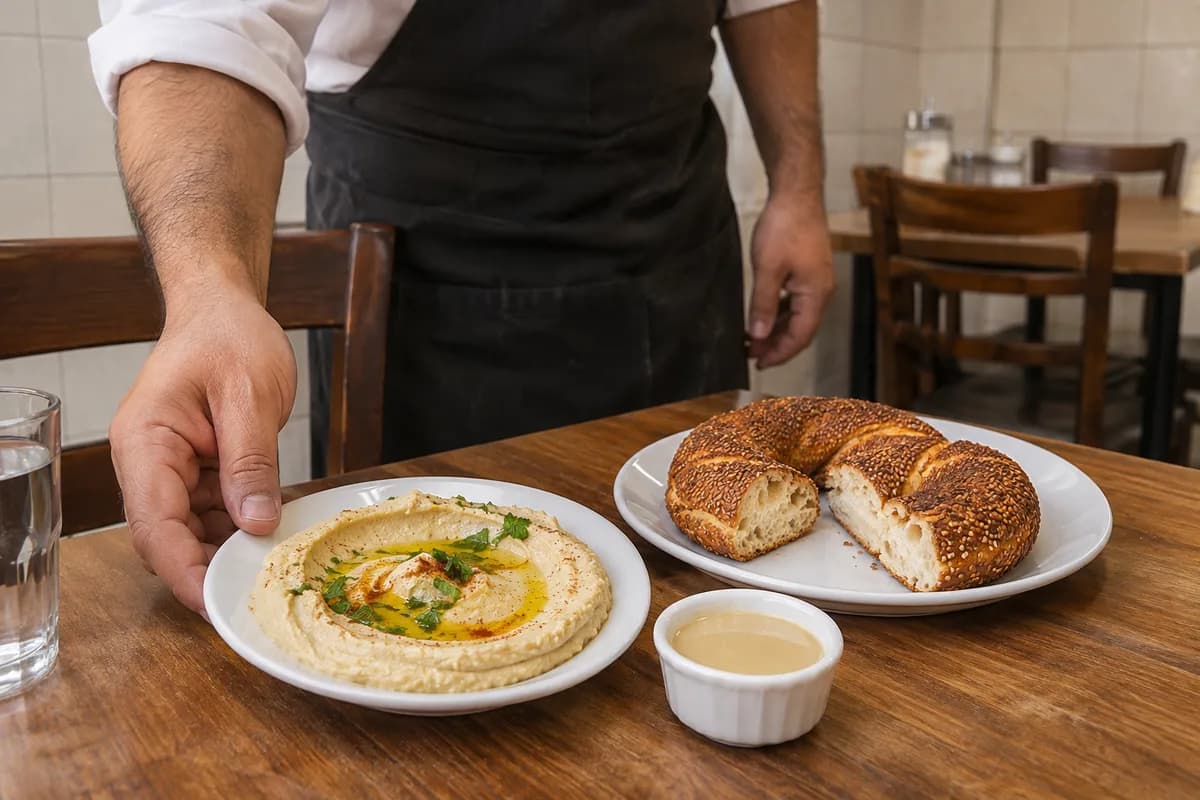
Sesame on a bread ring is easy to spot. Sesame blended into a chickpea dip is less obvious. In Turkish restaurants, allergens can appear in soup thickeners, sauces, pastry dough and garnishes that a short menu description never mentions.
For visitors to Istanbul, knowing the Turkish ingredient names helps you ask more precise questions. This guide covers everyday menu encounters rather than ranking allergy prevalence. Recipes vary between kitchens.
🌾 Wheat and cereals containing gluten
Look for: buğday (wheat), un (flour), bulgur, irmik (semolina), şehriye (small pasta), ekmek (bread).
Bread, börek and other pastries are obvious checkpoints. Soups require a separate question. The Culture and Tourism Ministry’s lentil soup recipe includes flour and butter. A soup named after lentils is therefore not necessarily gluten-free or vegan.
Bulgur is wheat. When ordering rice, ask whether it contains şehriye, and check sauces and coatings rather than relying on the main ingredient.
🥛 Milk and dairy products
Look for: süt (milk), yoğurt (yogurt), peynir (cheese), tereyağı (butter), kaymak (clotted cream), krema (cream), sade yağ (clarified butter).
Ask about the cooking fat as well as visible yogurt or cheese. Butter may already be incorporated into the food. Official recipes include it in lentil soup and some rice dishes.
Lactose-free does not mean suitable for someone with a milk allergy. Lactose intolerance concerns milk sugar. Milk allergy concerns milk proteins. Explain your specific condition when ordering.
🥚 Eggs
Look for: yumurta (egg), yumurta akı (egg white), yumurta sarısı (egg yolk), mayonez (mayonnaise).
Vegetable-based dishes can contain eggs. Mücver, vegetable fritters often made with zucchini, deserves particular attention. Eggs and cheese can be part of the mixture. Ask about the full recipe, including any accompanying sauce.
🥄 Sesame
Look for: susam (sesame), tahin (sesame paste).
Tahini means sesame, even when no seeds are visible. Humus, the chickpea dip, is a key example. Official Turkish recipes include tahini blended into the mixture. Removing a garnish will not remove it.
Many simit bread rings also contain sesame. Check the specific product rather than assuming every regional version has identical ingredients.
🌰 Tree nuts and peanuts
Look for: ceviz (walnut), fındık (hazelnut), badem (almond), Antep fıstığı (pistachio), kaju (cashew), yer fıstığı (peanut).
Baklava is an obvious checkpoint, but savoury dishes also need attention. Tarator sauces can contain nuts and bread blended together. A smooth texture does not establish that a sauce is nut-free.
Clarify “fıstık.” Antep fıstığı means pistachio. Yer fıstığı means peanut. Tell staff the exact ingredient you must avoid. Removing nuts from the surface cannot remove those already incorporated into a filling.
🌱 Soy
Look for: soya, soya sütü (soy milk), soya proteini (soy protein), soya sosu (soy sauce).
Check plant milks, meat substitutes and prepared sauces. Vegan alternatives can contain soy, wheat or nuts, depending on the product. Ask staff to check the packaging rather than identify ingredients from appearance. Shared cafe equipment also deserves a separate question.
Other allergens to recognise
Turkey’s declaration rules cover 14 groups. Alongside those above, learn these names. The examples below are checkpoints, not claims that every dish in a category contains the allergen.
| Allergen | Turkish terms | What to check |
|---|---|---|
| Fish | Balık | Fish dishes, stocks and sauces |
| Crustaceans | Kabuklular, karides, yengeç, ıstakoz | Shrimp, crab, lobster and seafood mixtures |
| Molluscs | Yumuşakçalar, midye, kalamar, ahtapot | Mussels, squid and octopus |
| Celery | Kereviz | Vegetable dishes, soups and stock ingredients |
| Mustard | Hardal | Dressings and prepared sauces |
| Sulphur dioxide and sulphites | Kükürt dioksit, sülfitler | Wine, dried fruit and preserved ingredients. Check the product |
| Lupin | Acı bakla | Flour blends and specialist bakery products. Check ingredients |
Sulphites fall within the declaration requirement above 10 mg/kg or 10 mg/L, expressed as total sulphur dioxide. The regulated list is not exhaustive: people can also react to other ingredients, including chickpeas and lentils.
🗣️ What to say before ordering
| Turkish | English |
|---|---|
| … alerjim var. | I am allergic to … |
| Alerjen bilgisini görebilir miyim? | May I see the allergen information? |
| Lütfen şefe sorup tüm malzemeleri kontrol eder misiniz? | Could you please ask the chef and check all the ingredients? |
| Aynı yağ, tava veya mutfak gereçleri kullanılıyor mu? | Are the same oil, pan or utensils used? |
Turkey has required allergen information in restaurants and other catering settings since Jan. 1, 2020. Information can appear on menus, posters or information boards. Ask about the actual dish you intend to order.
Discuss shared fryers, grills, utensils and preparation surfaces separately. A vegan label does not guarantee allergy safety, including protection against milk or egg cross-contact. If staff cannot confirm ingredients and preparation, choose another option.
For more ordering language, see veganistanbul.com’s Turkish phrases guide