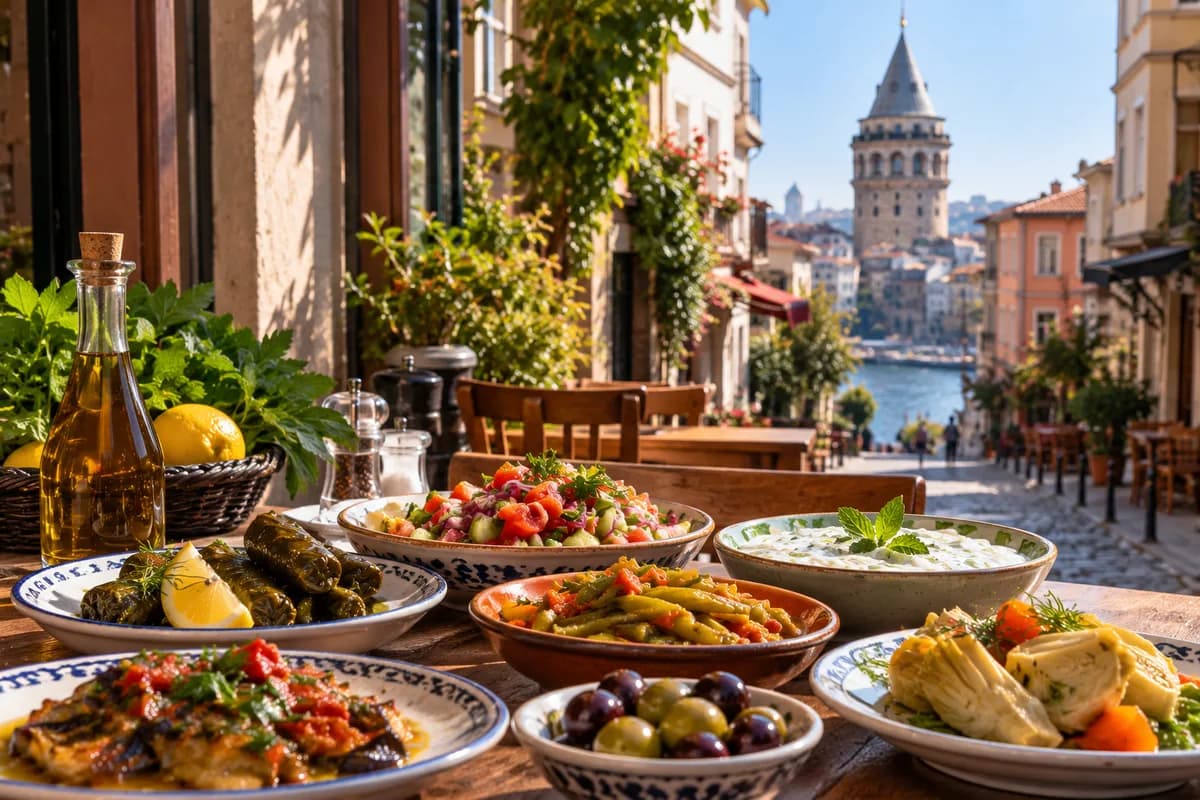
🇹🇷 How to Survive Istanbul With Celiac Disease: A Practical Gluten-Free Food Guide
Istanbul is famous for its bread, pastries, kebabs and street food. But what if you cannot eat gluten? From traditional Turkish dishes to supermarket shopping and communicating with restaurant staff, here is how to explore the city without taking unnecessary risks
🥖 Bread accompanies almost every Turkish meal. Bakeries fill the streets, restaurants serve baskets of freshly baked bread, and wheat is an essential ingredient in many traditional dishes.
For visitors with celiac disease, this can make Istanbul seem challenging. Fortunately, Turkish cuisine also offers plenty of naturally gluten-free ingredients and dishes.
The difficulty is not always finding food without wheat. It is knowing whether that food has been prepared safely.
Here is what you need to know before sitting down at an Istanbul restaurant.
🩺 1. First, Understand the Difference Between Gluten-Free and Celiac-Safe
In Turkish, gluten-free is glutensiz.
You will increasingly encounter this word on packaged foods, restaurant menus and bakery displays.
However, a dish advertised as gluten-free may not automatically be safe for someone with celiac disease.
A restaurant might prepare gluten-free vegetables on a grill used for bread, fry potatoes in oil shared with breaded foods or use utensils contaminated with wheat flour.
For people with celiac disease, even small amounts of gluten can cause intestinal damage.
The Celiac Disease Foundation recommends asking restaurants about ingredients, cooking equipment, preparation surfaces and shared frying oil.
Our advice: Never rely entirely on a gluten-free menu label. Ask how the food is prepared.
For more practical information, read our earlier guide:
Istanbul Dos & Don'ts for Celiacs and Gluten-Free Travelers
🍚 2. Discover Traditional Turkish Foods That May Be Gluten-Free
You do not necessarily need a specialist gluten-free restaurant to enjoy Turkish cuisine.
Many traditional dishes are made from rice, vegetables, legumes, meat, fish and olive oil.
However, ingredients and preparation methods vary between restaurants.
🫒 Zeytinyağlı: Vegetables Cooked in Olive Oil
One of the most useful Turkish food traditions for gluten-free visitors is zeytinyağlı.
These are vegetable dishes cooked in olive oil, usually served at room temperature.
Examples include:
- Zeytinyağlı enginar: Artichokes cooked with olive oil and vegetables.
- Taze fasulye: Green beans cooked with tomatoes and olive oil.
- İmam bayıldı: Eggplant stuffed with onions, tomatoes and garlic.
- Barbunya pilaki: Borlotti beans cooked with vegetables and olive oil.
- Zeytinyağlı yaprak sarma: Vine leaves stuffed with rice and herbs.
These dishes are often naturally free from gluten-containing ingredients.
However, check that rice has not been replaced or mixed with "bulgur," and sauces contain no flour, and that preparation prevents cross-contact.
🍖 Grilled Meat and Fish
Plain grilled fish, chicken and meat can also be suitable.
Look for:
Izgara balık: Grilled fish.
Izgara tavuk: Grilled chicken.
Izgara et: Grilled meat.
Ask whether the meat has been marinated in a sauce containing gluten or cooked on a surface contaminated by bread.
Be particularly cautious with köfte, Turkish meatballs. Many recipes contain breadcrumbs.
🥗 Salads and Cold Dishes
Some familiar Turkish foods can provide simpler alternatives:
🥒 Cacık: Yogurt mixed with cucumber, garlic and herbs.
🍅 Çoban salatası: Tomatoes, cucumbers, onions and peppers.
🫒 Olives and plain cheese: Common components of Turkish breakfasts.
🥔 Plain boiled potatoes: A possible alternative when other side dishes are uncertain.
These foods are not automatically celiac-safe. Check added seasonings, sauces and handling, particularly at buffets.
⚠️ 3. Turkish Foods That Require Particular Caution
Some dishes may look harmless but contain unexpected gluten.
Mercimek çorbası (lentil soup)
A popular Turkish soup made from red lentils. Some restaurants add wheat flour to thicken it.
Pirinç pilavı (rice pilaf)
Rice is naturally gluten-free, but Turkish rice pilaf frequently contains small pieces of wheat-based vermicelli called şehriye.
Beware and ask for rice without vermicelli / şehriye.
Dolma and sarma
Stuffed peppers and vine leaves may contain rice or bulgur. Bulgur is wheat and is unsuitable for people with celiac disease.
Meze
Turkish small plates can contain vegetables, yogurt, beans and seafood. However, some include breadcrumbs, bulgur or flour.
French fries
Potatoes do not contain gluten naturally, but shared frying oil may create a cross-contact risk.
Turkish delight (lokum)
Some traditional varieties are made with starch rather than wheat flour. Nevertheless, ingredients, flavourings, coatings and manufacturing conditions vary.
Choose products with suitable gluten-free labelling and check the packaging.
🚫 Foods to Avoid Unless Specifically Made Gluten-Free
Traditional versions of simit, börek, gözleme, pide, lahmacun, mantı and baklava does contain wheat.
Bulgur pilavı and kısır, a popular bulgur salad, are also unsuitable.
Removing the bread from a sandwich or the pastry from a dish does not make the remaining food safe from gluten cross-contact.
🛒 4. Where to Buy Gluten-Free Food in Istanbul
One of the easiest ways to manage celiac disease while traveling is to buy a few essential products before exploring the city.
Larger Istanbul supermarkets may stock packaged gluten-free bread, crackers, pasta, rice cakes and snacks.
Look for the word GLUTENSİZ on packaging.
Major supermarket chains such as Migros and CarrefourSA are useful places to begin your search, although product availability varies between branches.
Specialist gluten-free bakeries and food shops are another option.
However, do not assume that every business advertising gluten-free products operates an entirely gluten-free kitchen.
Ask about production facilities and cross-contact controls.
For visitors staying several days, accommodation with a small kitchen can make breakfast and emergency meals considerably easier.
Shopping tip: Choose clearly labeled, sealed products and read the ingredient and allergen information. A product being made from rice or corn does not, by itself, establish that it is safe for celiac disease. Check our Veganİstanbul Guide to find vegan and gluten free food shopping options
☕ 5. Breakfast Can Be Easier Than You Think
Traditional Turkish breakfast, or kahvaltı, usually includes several small dishes served together.
While bread is central to the experience, many breakfast ingredients are naturally gluten-free.
You may find:
🫒 Olives
🧀 Plain cheese
🥚 Boiled eggs
🍅 Fresh tomatoes and cucumbers
🍯 Honey
🍓 Jam
🍵 Turkish tea
Avoid shared bread baskets, contaminated spreads and utensils.
If you bring your own certified gluten-free bread, ask whether the establishment will allow you to eat it with your breakfast, which many shopkeepers will be tolerant to tourists with celiac.
At hotel buffets, watch for shared serving utensils and crumbs around cheese, spreads and other foods.
A separate, freshly prepared breakfast may be safer than selecting food from a crowded buffet.
🗣️ 6. What to Say to Restaurant Staff in Turkish
You do not need to speak fluent Turkish to explain celiac disease.
However, saying only glutensiz may not communicate the seriousness of your condition.
Save this message on your phone and show it to restaurant staff.
📱 Your Turkish Celiac Ordering Card
Turkish:
"Çölyak hastasıyım. Gluten içeren hiçbir yiyecek yiyemem. Bu bir sağlık zorunluluğu.
Bu yemekte buğday, arpa, çavdar, bulgur, irmik, un veya şehriye var mı?
Yemeğim gluten içeren yiyeceklerle temas etmeden, temiz mutfak gereçleriyle hazırlanabilir mi?
Aynı kızartma yağını veya kirli pişirme yüzeylerini kullanmamanız gerekiyor.
Emin değilseniz lütfen bana söyleyin. Teşekkür ederim."
English:
"I have celiac disease. I cannot eat any food containing gluten. This is a medical necessity.
Does this dish contain wheat, barley, rye, bulgur, semolina, flour or vermicelli?
Can my meal be prepared with clean kitchen equipment without contact with gluten-containing foods?
Please do not use shared frying oil or contaminated cooking surfaces.
If you are unsure, please tell me. Thank you."
You can also consult our existing article:
🍽️ 7. How to Choose a Restaurant
Istanbul has thousands of restaurants, but their understanding of celiac disease varies.
A restaurant offering a gluten-free dish may not have procedures to prevent cross-contact.
Before ordering, consider these questions:
✅ Does the restaurant understand celiac disease?
✅ Can staff identify every ingredient in the dish?
✅ Are clean utensils and preparation surfaces available?
✅ Is frying oil shared with breaded foods?
✅ Can the chef prepare your meal separately from gluten-containing ingredients?
Whenever possible, contact restaurants before visiting, preferably outside busy dining hours.
Restaurants with dedicated gluten-free kitchens may offer more predictable preparation conditions, but their current practices still need to be verified.
If staff cannot answer essential questions, choose another establishment.
🚶 8. What About Istanbul Street Food?
Istanbul's street food is part of the city's identity, but it can be difficult for travelers with celiac disease.
Simit, stuffed pastries, sandwiches and lahmacun are generally wheat-based.
Roasted chestnuts (kestane) and boiled corn (haşlanmış mısır) are naturally gluten-free foods.
However, street vendors may use shared utensils, seasonings or preparation surfaces.
Fresh whole fruit is another practical option.
When buying street food, pay attention not only to the ingredients but also to how the vendor handles and serves them.
For people requiring strict gluten avoidance, sealed and appropriately labeled snacks may be more dependable when safe preparation cannot be confirmed.
🏨 9. Five Things to Do Before Arriving in Istanbul
1. Contact your hotel. Ask whether staff understand celiac disease and can arrange meals without gluten cross-contact.
2. Pack emergency food. Bring suitable packaged snacks for airport transfers, long sightseeing days and unexpected delays.
3. Locate a supermarket. Find somewhere near your accommodation that sells labeled gluten-free products.
4. Save a Turkish explanation. Keep your celiac ordering card available offline.
5. Plan meals around sightseeing. Do not assume that every tourist attraction or transport hub will have suitable food.
If you are visiting Istanbul for several days, identifying a few reliable food options near your hotel can reduce the need to search for restaurants when you are hungry.
❤️ 10. What If You Accidentally Eat Gluten?
Accidental gluten exposure can happen despite careful planning.
If you suspect you have consumed gluten, stop eating the suspected food.
Follow the medical advice you have previously received from your healthcare professional. Stay hydrated as appropriate and seek medical attention if you develop severe symptoms, persistent vomiting, signs of dehydration or other concerning symptoms.
Do not assume that feeling well means the exposure was harmless. Intestinal injury can occur without obvious symptoms.
In Turkey, 112 is the emergency telephone number.
🌍 The Bottom Line: You Can Enjoy Istanbul Without Gluten
Istanbul's food culture is not limited to bread and pastries.
Traditional vegetable dishes, rice-based meals, grilled foods, fresh produce and simple Turkish breakfasts offer possibilities for visitors who need to avoid gluten.
The key is preparation.
Naturally gluten-free ingredients are a starting point, not a guarantee of a celiac-safe meal.
Ask questions, check cooking methods, carry emergency food and never feel obliged to eat something when the kitchen cannot confirm its safety.
With preparation, visitors with celiac disease can discover much of Istanbul's food culture without making unnecessary compromises.
Explore more practical guides for gluten-free, vegan and vegetarian travellers at veganistanbul.com.